Heizkörper leisten viel stille Arbeit, und die meisten von uns denken erst an sie, wenn ein Raum nie richtig warm wird. Alte Heizkörper zu ersetzen ist oft einfacher und günstiger, als die meisten erwarten, und es kann einen echten Unterschied machen, wie gleichmäßig ein Zuhause heizt und wie hart die Anlage dafür arbeiten muss. Hier erfahren Sie, was dabei zu tun ist, und einen wichtigen Punkt zum Thema Gas.
Wann ein Heizkörper ersetzt werden sollte
Nicht jeder kühle Raum bedeutet einen neuen Heizkörper, aber es gibt klare Anzeichen, bei denen sich Handeln lohnt:
- Kalte Stellen: Ein Heizkörper, der unten oder in einzelnen Bereichen kalt bleibt, hat oft Schlamm im Inneren.
- Langsames Aufheizen: Räume, die deutlich länger als andere zum Aufwärmen brauchen, deuten auf einen ungleichmäßigen Durchfluss in der Anlage hin.
- Rost oder Leckagen: Sichtbare Korrosion oder undichte Ventile sind ein Zeichen, dass ein Heizkörper das Ende seiner Lebensdauer erreicht.
- Müder Look: Manchmal ist eine Sanierung schlicht der richtige Moment, veraltete Heizkörper gegen saubere, moderne zu tauschen.
Ausgeführt ohne Eingriff in die Gasversorgung
Das ist ein wichtiger Punkt. Heizkörper zu ersetzen, Leitungen zu erneuern und eine Heizungsanlage abzugleichen sind alles Arbeiten auf der wasserführenden Seite der Anlage, und keine davon erfordert einen Eingriff am Gasgerät. Remus führt diese Heizkörper- und Heizungsarbeiten ohne jeden Eingriff in die Gasinstallation selbst aus, die einem eingetragenen Gasinstallateur überlassen wird. Sie erhalten den Komfortgewinn ohne die Komplikation auf der Gasseite.
Heizen Ihre Heizkörper nicht gleichmäßig?
Rufen Sie Remus unter +49 15510 75 57 76 an, für ein kostenloses Angebot zum Heizkörperaustausch und zu Heizungsoptimierungen in ganz München.
Jetzt anrufenWie die Arbeit ausgeführt wird
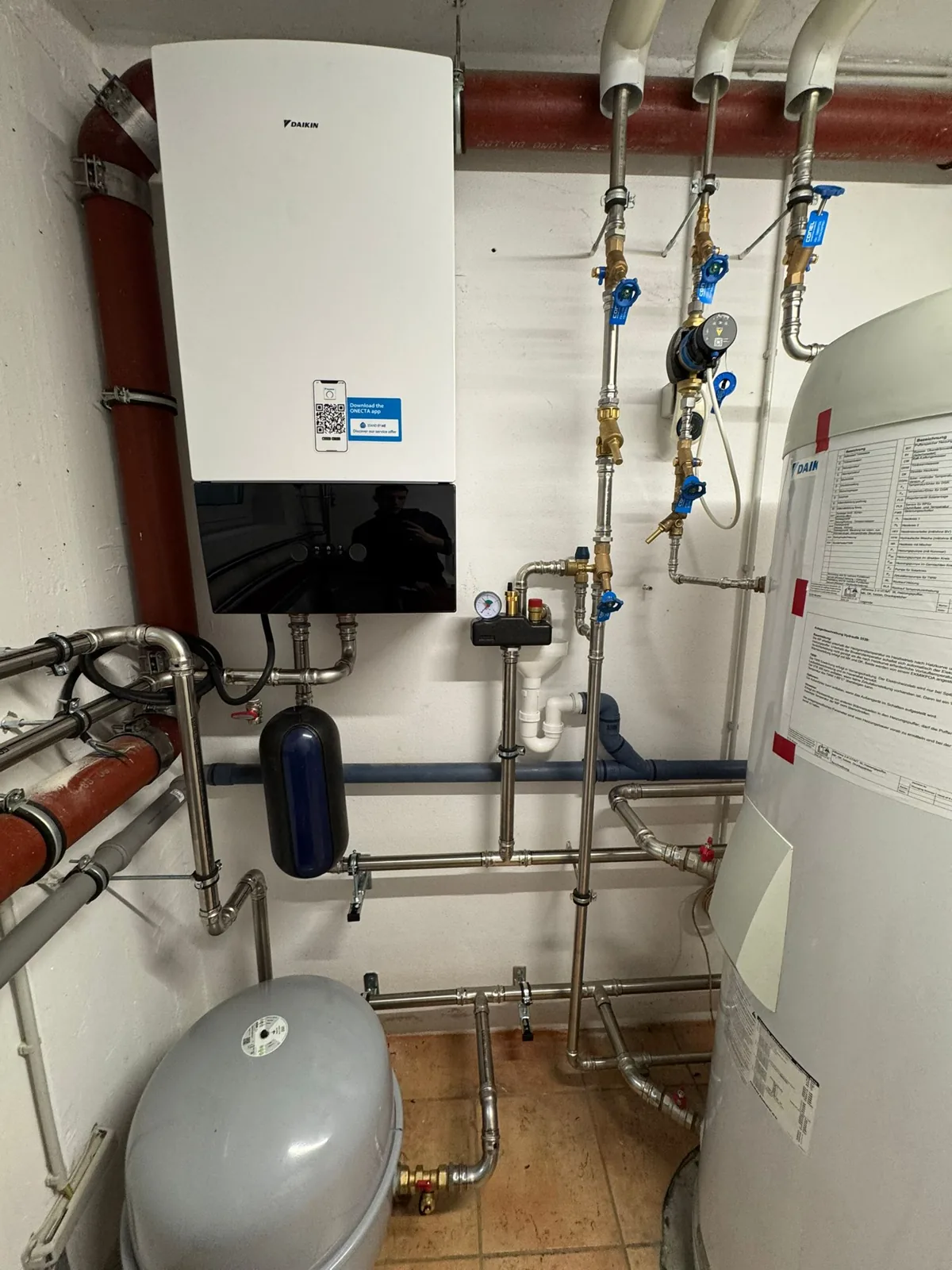
Ein Heizkörpertausch ist ein sauberer, abgegrenzter Auftrag. Die Anlage wird abgesperrt, der alte Heizkörper entleert und ausgebaut, und der neue, passend zum Raum dimensioniert, eingebaut und angeschlossen. Wo Leitungen über die Jahre korrodiert oder erweitert wurden, werden sie erneuert und neu geordnet, damit der Heizungsraum sauber und leicht zu warten bleibt. Anschließend wird die Anlage wieder befüllt, auf Dichtheit geprüft und vor der Übergabe unter Wärme getestet.
Warum der Abgleich wichtig ist
Neue Heizkörper einzubauen ist nur die halbe Arbeit. Der hydraulische Abgleich der Anlage, also das Einstellen des Durchflusses, damit jeder Heizkörper seinen gerechten Anteil bekommt, ist das, was das ganze Haus gleichmäßig heizen lässt, statt dass die nächstgelegenen Räume vorpreschen und die entfernten kühl bleiben. Eine abgeglichene Anlage ist komfortabler und arbeitet effizienter, was sich auf Ihren Kosten zeigt. Es ist ein Schritt, der leicht übersprungen wird und auf den zu bestehen sich lohnt.
Häufige Fragen
Nein. Remus arbeitet auf der wasserführenden Seite der Heizungsanlage: Heizkörper, Leitungen, Verteiler und Regelungen. Jede Arbeit am Gasgerät wird einem eingetragenen Gasinstallateur überlassen.
Der Austausch eines einzelnen Heizkörpers ist meist ein schneller Auftrag. Mehrere in einem Objekt zu ersetzen und die Anlage abzugleichen dauert länger, und einen klaren Zeitrahmen erhalten Sie als Teil des Angebots.
Saubere, korrekt dimensionierte Heizkörper in Verbindung mit einer abgeglichenen Anlage lassen Ihre Heizung schneller die Temperatur erreichen und weniger laufen, was die Kosten im Rahmen und die Räume komfortabel hält.
Ja. Fußbodenheizungskreise und Verteiler sind Teil der Heizungsarbeit, meist im Zuge einer Sanierung verlegt, während der Boden ohnehin offen ist.